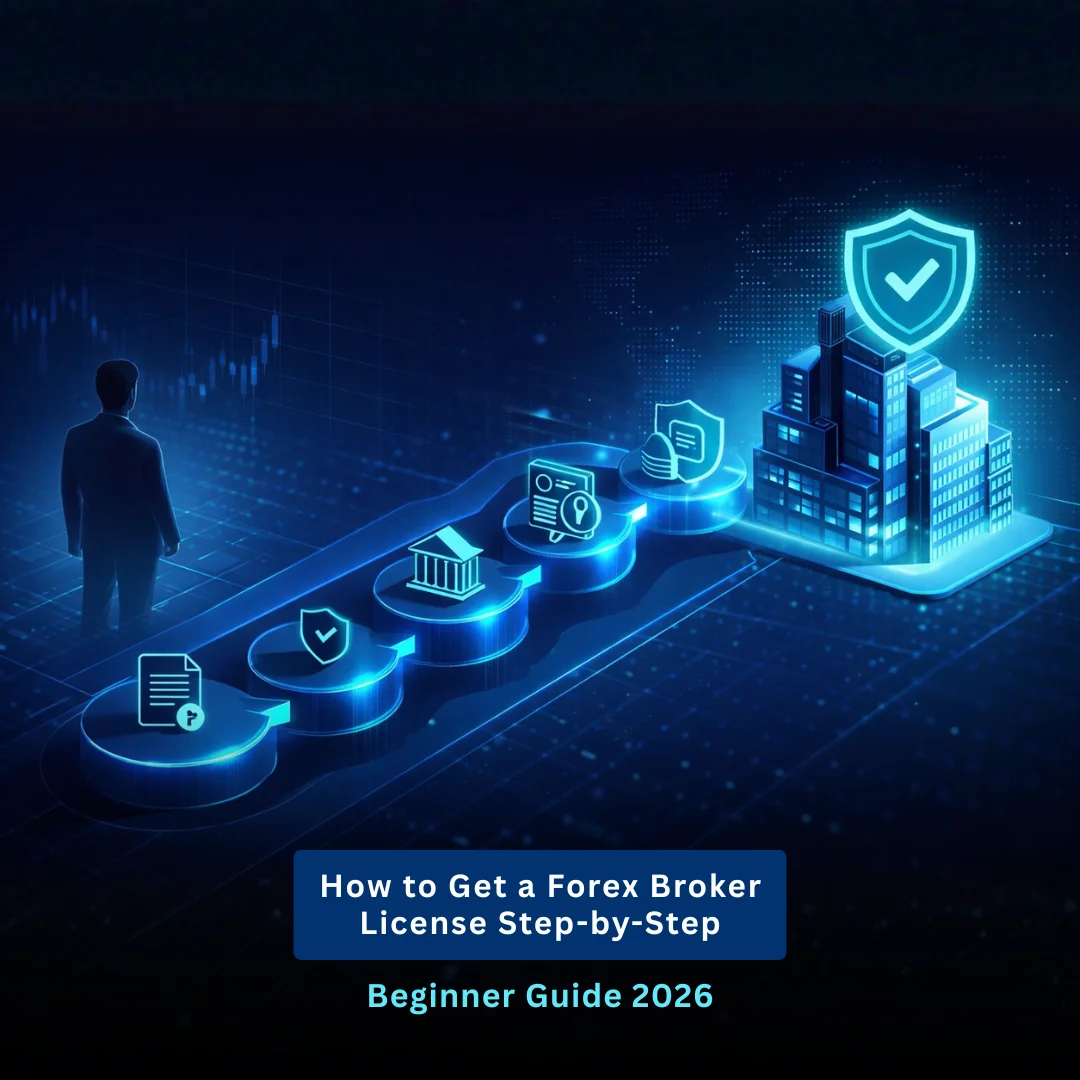
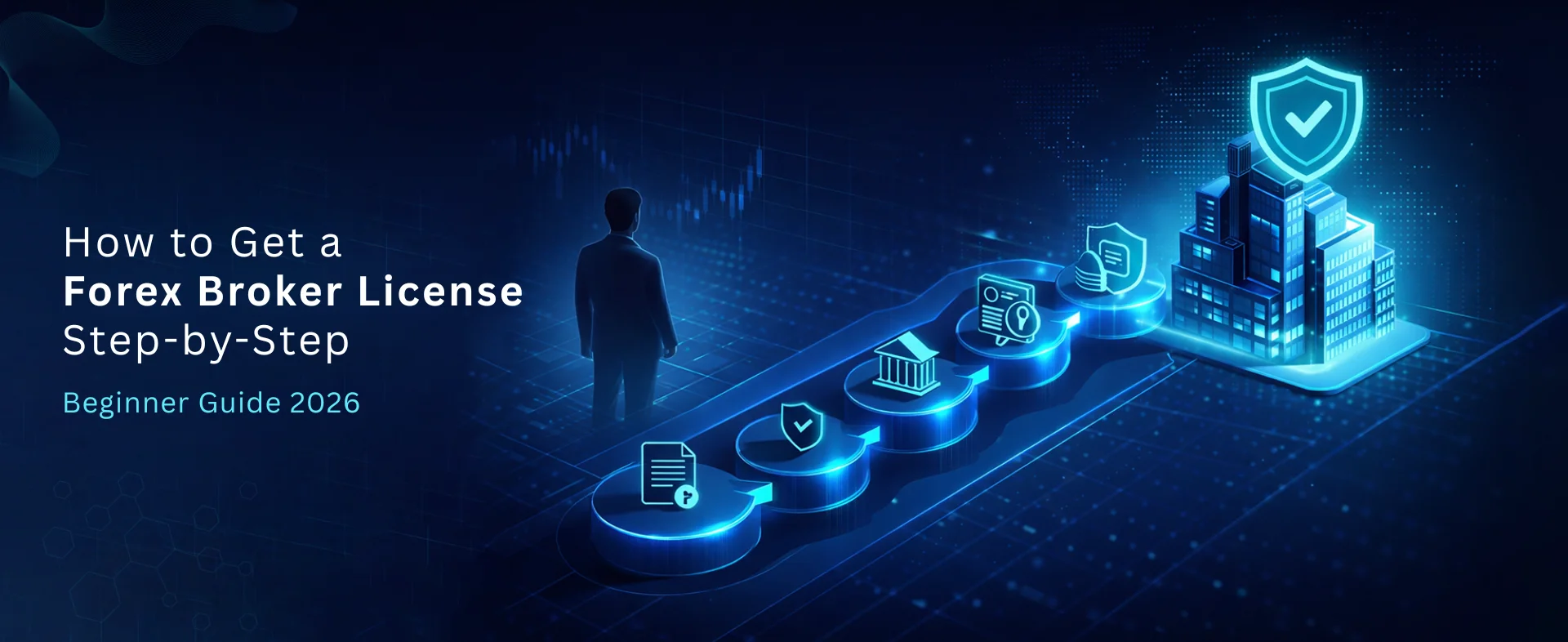
How to Get a Forex Broker License Step-by-Step (Beginner Guide 2026)
Starting a forex brokerage might sound complicated, but if you follow the right steps, the process becomes much easier. In simple words, a forex broker license is official permission that allows a company to legally offer forex trading services to clients.
If you want to launch your own brokerage, getting a license is one of the most important steps. In this guide, we will explain how to get a forex broker license step-by-step in very simple language so even beginners can understand the process.
Companies like SetupFX often help entrepreneurs handle licensing, technology setup, and brokerage infrastructure.
What Is a Forex Broker License?
A forex broker license is an approval from a financial authority that allows a company to operate as a broker and provide trading services.
This license ensures that the brokerage follows financial rules, protects clients’ funds, and operates transparently.
Without a license, running a forex brokerage can be risky and may not be trusted by traders.
Why a Forex Broker License Is Important
Getting a license is important for several reasons.
Trust and credibility
Traders prefer brokers that operate legally.
Access to payment providers
Banks and payment gateways usually require licensed brokers.
Long-term business growth
A licensed brokerage can operate internationally and build a strong reputation.
Because of these benefits, most serious forex businesses choose to operate under a proper license.
Step 1: Choose the Right Jurisdiction
The first step is choosing the country where you want to obtain your forex broker license.
Different countries have different regulations and costs.
Popular forex licensing locations include:
Each jurisdiction offers different advantages depending on your business goals and budget.
For example, some jurisdictions are known for strong regulation while others are popular for faster setup.
Step 2: Register Your Company
After choosing the jurisdiction, the next step is to register your brokerage company.
This usually includes:
- choosing a company name
- registering a legal entity
- submitting shareholder information
- preparing legal documents
Once your company is registered, you can proceed with the licensing process.
Step 3: Prepare Legal and Compliance Documents
Financial authorities require several documents before approving a forex broker license.
These documents usually include:
- business plan
- risk management policies
- anti-money laundering procedures
- compliance policies
- company structure details
Preparing these documents properly is important because regulators carefully review them before granting approval.
Step 4: Open a Corporate Bank Account
A licensed forex broker must operate through a business bank account.
This account is used to:
- manage company funds
- process client deposits
- handle operational expenses
Opening a corporate bank account is a key requirement during the licensing process.
Step 5: Set Up Your Trading Platform
A forex brokerage also needs a reliable trading platform where clients can trade currencies.
Most brokers use platforms like:
- MetaTrader 4
- MetaTrader 5
These platforms allow traders to view charts, analyze the market, and place trades in real time.
A good platform improves the overall trading experience for clients.
Step 6: Connect Liquidity Providers
Liquidity providers supply the prices and market access for your brokerage.
Without liquidity, traders cannot execute trades.
Liquidity providers ensure:
- fast trade execution
- stable pricing
- smooth trading operations
This is one of the most important parts of running a successful brokerage.
Step 7: Submit the License Application
Once all preparations are complete, the final step is submitting your license application to the financial regulator.
The authority will review:
- company structure
- compliance documents
- financial requirements
- operational plans
If everything meets the regulatory standards, the forex broker license will be approved.
The entire process can take several weeks or months depending on the jurisdiction.
How SetupFX Can Help You Get a Forex Broker License
Getting a forex broker license involves many technical and legal steps.
Working with experienced professionals can make the process much smoother.
Companies like SetupFX assist entrepreneurs with:
- forex broker licensing
- company registration
- trading platform setup
- liquidity connections
- compliance documentation
This allows business owners to focus on growing their brokerage while experts handle the setup process.
Final Thoughts
Getting a forex broker license is a crucial step for anyone planning to start a forex brokerage.
Although the process may seem complex at first, it becomes manageable when broken down into clear steps:
- Choose the right jurisdiction
- Register your company
- Prepare compliance documents
- Open a corporate bank account
- Set up a trading platform
- connect liquidity providers
- submit the license application
With the right preparation and guidance, launching a licensed forex brokerage can become a successful business opportunity in the growing forex industry.
1. What is a forex broker license?
A forex broker license is a legal permission that allows a company to offer forex trading services to clients.
2. How much does it cost to get a forex broker license?
The cost depends on the country, but it can range from low-cost offshore options to high-cost regulated jurisdictions.
3. How long does it take to get a forex license?
It usually takes a few weeks to several months, depending on the jurisdiction and approval process.